
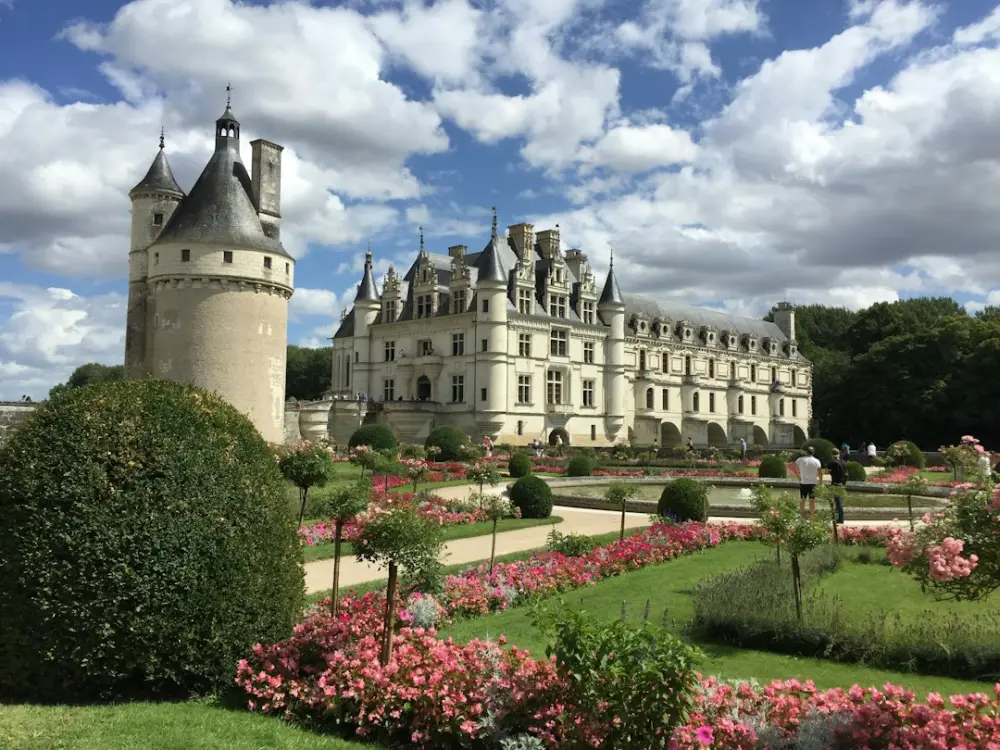
Checking seasonal château visitor information involves verifying the specific opening dates, hours, and ticket availability for historic estates, which often vary by season. Because many châteaus operate on limited schedules during winter or peak summer months, accurate checks ensure travelers can secure reservations and plan logistics effectively for their 2026 visits.
Planning ahead prevents the common disappointment of arriving at a rural monument only to find the gates closed for private events or seasonal maintenance. In regions like Burgundy, schedules are frequently dictated by daylight hours and the specific staffing requirements of large-scale historical reenactments or night tours.
Defining Château Seasonal Information
Seasonal information encompasses more than just the opening and closing times. It includes the specific availability of certain wings of a castle, the operation of on-site farms or workshops, and the timing of specialized tours. For instance, a château might offer access to its grand apartments year-round but limit visits to the defensive towers or underground cellars to the summer months when natural light and temperature are more favorable.
In 2026, many French estates are categorizing their schedules into "High Season" (typically July and August), "Shoulder Season" (April to June and September to October), and "Low Season" (November to March). Each period offers a different version of the visitor experience. A winter visit might focus on the interior architecture and fireside history, while a summer visit is often defined by the sprawling gardens and outdoor spectacles. Understanding these distinctions is the first step in using the ultimate visitor’s guide to château logistics effectively.
How to Verify Current Opening Schedules
The most reliable way to verify a schedule is to cross-reference the official estate website with recent social media updates. While third-party travel blogs provide excellent historical context, they may not reflect 2026 staffing changes or unexpected closures for structural preservation. Look for a "Pratique" or "Practical Info" tab on the official site, which usually contains a downloadable calendar or a real-time booking engine.
Another specific method involves checking local tourism office websites, such as those for the Yonne department or the wider Burgundy region. These offices often list "exceptional closures"—dates when a private owner might host a wedding or a film crew. For example, if you are planning a trip to a castle known for its theatrical performances, check if the daytime tour hours are shortened to accommodate the setup for an evening show. Checking a guide to the summer sound and light events can help you see how these evening spectacles impact regular walking hours.
Step-by-Step Château Reservation Guide
Securing a spot for a 2026 visit usually follows a standard digital process. First, identify the type of ticket required. Many estates offer a "Château Only" ticket, a "Gardens Only" ticket, or a combined pass. For families, look for "Family Packs" which often provide a discount for two adults and two or more children. Once the ticket type is selected, you will typically need to choose a specific entry time slot to manage crowd flow.
- Select your date: Use the interactive calendar to find available slots. Dates marked in red are usually sold out or closed.
- Choose your time: Afternoon slots tend to be the busiest. Early morning or late afternoon visits often provide a quieter experience for photography.
- Enter visitor details: You may need to specify if any visitors require reduced mobility access, as many older structures have steep spiral staircases and uneven cobblestones.
- Confirm and Save: After payment, you will receive a PDF ticket via email. It is highly recommended to save this to your phone's offline storage, as mobile reception can be spotty in the thick stone walls of rural French fortresses.
Accepted Payment Methods and Ticketing
Most French châteaus in 2026 accept major credit cards like Visa and Mastercard. However, smaller independent estates may have a minimum spend for card transactions, often around 10 or 15 Euros. Carrying a small amount of cash is practical for on-site cafes or gift shops that might operate independently from the main ticketing office.
In France, the "Chèque-Vacances" (ANCV) is a common payment method accepted at many heritage sites. If you are using a regional pass, such as a Burgundy heritage pass or a national "Pass Patrimoine," you may still need to book a "free" time slot online to ensure entry. Always check if the ticket includes a guided tour or if the guided portion requires a separate, nominal fee paid upon arrival. For example, a self-guided tour of the attic might be included in the base price, but a guided tour of the private apartments often requires a supplementary ticket.
Recent Searches and Suggested Itineraries
Travelers often search for ways to maximize their time in the Yonne region by grouping multiple historical sites into a single weekend. A popular 2026 itinerary involves visiting a traditional castle in the morning and then heading to the nearby medieval construction site at Guédelon in the afternoon. This allows visitors to see both a finished masterpiece and the techniques used to build one from scratch.
- Day Trip from Paris: Take the train to Joigny or Auxerre and rent a car for the final leg of the journey.
- Family Weekend: Combine a castle tour with a visit to a local wildlife park or the historical farm often attached to these estates.
- Photography Focus: Plan your visit during the "Golden Hour"—the hour before sunset—especially if the castle has a moat or reflective water features.
Many visitors also look for "night tours" or "candlelit openings." These are specialized events where the modern electric lights are turned off, and the rooms are illuminated as they would have been in the 17th or 18th century. These events usually require separate booking well in advance due to their popularity with local residents and tourists alike.
Visitor Support at Château de Saint-Fargeau
When you are finalizing your 2026 plans, the visitor support team is the best resource for specific logistical questions that an automated system cannot answer. Whether you need to know about the accessibility of the massive timber roof frames or the specific start times for the farm activities, direct communication ensures your day runs smoothly. At Château de Saint-Fargeau, the staff can provide clarity on the seasonal transition between the quiet spring walks and the bustling atmosphere of the summer historical pageants.
The history of this location is deeply tied to its massive red-brick architecture and its role in the "Grande Mademoiselle's" exile. Understanding the seasonal flow allows you to appreciate these layers of history without the rush. By verifying your information early, you ensure that your time spent at Château de Saint-Fargeau is focused on the architecture and the stories within the walls, rather than the logistics of the front gate.