
Articles in this Planning a visit guide
Stop following the tourist herd. While the masses are currently suffocating under the weight of their own selfie sticks in the gilded halls of Versailles, you have the opportunity to experience something authentic. The typical Parisian day trip is often a predictable, overcrowded travesty, leaving travelers exhausted and disillusioned. If your idea of discovering France involves standing in a four-hour security line to catch a fleeting glimpse of a gold-leafed room, you are doing it wrong. The true soul of the French countryside isn’t found in the manicured, sterile gardens of the capital’s outskirts, but two hours south in the heart of Burgundy.
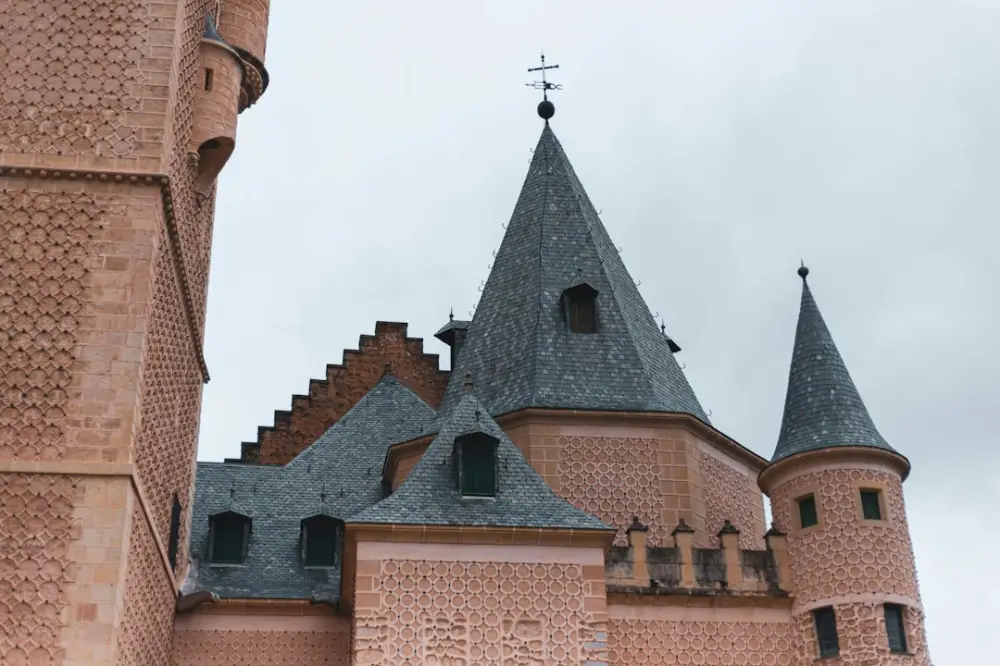
The Château de Saint-Fargeau represents a necessary rebellion against uninspired tourism. It is a living, breathing monument to over 1,000 years of French history, art, and rural tradition. Unlike the state-run museums that feel frozen in time, this privately-owned pentagonal fortress offers a visceral connection to the past. Whether you are navigating the massive timber forests of its attic or watching 600 actors bring the walls to life during a summer night show, Saint-Fargeau delivers perspective rather than just photos. This guide is designed to help you navigate the logistics, history, and unique experiences that make this Burgundian gem the ultimate alternative to the standard tourist circuit.
Essential Logistics: Timing Your Visit to Saint-Fargeau
Timing is everything when planning a visit to the Puisaye region. While the château is a year-round marvel of pink-brick architecture, your experience will vary wildly depending on the season. In 2026, the travel landscape favors those who seek depth over breadth, and understanding the seasonal rhythm of Burgundy is the first step toward a successful trip.
The Summer Peak (July and August): This is the only time to experience the world-renowned Sound and Light Historical Spectacle. If you want to see history on an epic scale, you must visit during these months. However, be prepared for warmer weather and more local visitors. The château remains vibrant, but the quiet solitude of the courtyard is replaced by the hum of preparation for the evening show.
The Shoulder Seasons (May-June and September-October): For many, this is the sweet spot. The gardens are in bloom or transitioning into their autumnal glory, and the crowds are virtually non-existent. You can wander the apartments of La Grande Mademoiselle without hearing a dozen different tour guides shouting in competition. Today, as we sit in late October 2026, the crisp air and the turning leaves of the Burgundy forests provide a somber, majestic backdrop to the castle’s red brickwork.
Opening Hours and Access: Generally, the château is open from late March through mid-November. During the off-season, access may be limited to weekends or specific guided tours. Always verify the current schedule before making the drive, as the private nature of the estate means it occasionally hosts exclusive events that might close certain wings to the public.
Getting Here: Transport Options from Paris and Beyond
Let’s be blunt: if you are relying on the French rail network for this specific excursion, you are making a logistical mistake. While the TGV is a marvel of modern engineering, it does not serve the heart of the Puisaye. To truly appreciate the transition from the frantic energy of Paris to the rolling hills of Burgundy, you must drive. Renting a car gives you the keys to the kingdom and allows for the spontaneity that defines a great road trip.
The journey from Paris to Saint-Fargeau takes approximately two hours via the A6 motorway (the Autoroute du Soleil). It is a straightforward drive, but the real magic happens when you exit the main highway and begin navigating the departmental roads. These winding paths take you through dense forests and past ancient stone farmhouses, setting the stage for the medieval fortress that awaits. By choosing to drive, you can easily visit saint fargeau on a day trip without being tethered to a rigid train schedule or the limited reach of local buses.
For those coming from other parts of Burgundy, such as Auxerre or Nevers, the drive is even shorter. Saint-Fargeau acts as a perfect anchor for a wider exploration of the region. Having your own vehicle allows you to stop at local vineyards, explore the nearby medieval construction site at Guédelon, or visit the pottery villages that define the local culture. In the context of 2026 travel, the autonomy of a car is the ultimate luxury.
The Visitor Experience: From Medieval Foundations to the Living Farm
The Château de Saint-Fargeau is a masterclass in architectural evolution. It began its life in the 10th century as a fortified hunting lodge for the bishops of Auxerre. Over the centuries, it was destroyed, rebuilt, and reimagined by some of the most powerful figures in French history. When you step into the massive internal courtyard, you are seeing the work of François Le Vau, the architect who brought a sense of classical symmetry to the rugged medieval bones of the structure.
One of the top 10 reasons to visit château is the sheer scale of the interior. Unlike the sanitized rooms of many state-owned castles, the apartments here feel lived-in. You can explore the grand salons, the library, and the private quarters of Anne-Marie-Louise d'Orléans, known as La Grande Mademoiselle. As the cousin of Louis XIV, she was exiled here after the Fronde uprising, and it was her wealth and vision that transformed the fortress into a royal residence.
The Hidden Giant: The Attic
Perhaps the most breathtaking part of the visit is the one most people overlook: the attic. The "charpente" or timber framework of Saint-Fargeau is a cathedral of wood. Walking through this forest of ancient oak beams, you realize the incredible engineering required to support the massive slate roofs. The smell of old timber and the silence of the upper reaches of the castle provide a sensory experience that no gold-leafed ballroom can match. It is a testament to the craftsmen of the 17th century whose work remains as sturdy today in 2026 as it was 350 years ago.
The Ferme du Château
Just a short walk from the main towers lies the Castle Farm. This is not a mere petting zoo; it is a functioning historical farm that preserves the traditional agricultural practices of the region. For visitors, it offers a necessary grounding. While the château represents the heights of aristocracy, the farm represents the backbone of French rural life. You’ll find heritage breeds of cows, pigs, and poultry, along with demonstrations of traditional blacksmithing and bread baking. It provides a complete picture of the estate’s history—one that includes both the lords in the manor and the peasants in the fields.
Experiencing the Spectacle: The Historic Night Show
If you visit during the summer months, the Sound and Light Show (Spectacle Historique) is non-negotiable. It is one of the largest outdoor historical shows in Europe, and its scale is frankly staggering. Imagine over 600 actors in period costume, 60 horses, and a fleet of vintage military vehicles, all performing across the backdrop of the illuminated castle walls.
The show tracks 1,000 years of history, from the arrival of Joan of Arc to the French Revolution and the liberation in World War II. It is a symphony of pyrotechnics, music, and dramatic storytelling. What makes it special is the community involvement; almost all the actors are local volunteers from the surrounding villages. This isn't a polished Hollywood production; it is a community reclaiming its history and sharing it with the world. Seats fill up fast, so booking in advance is essential for any 2026 summer itinerary.
Family Travel: Making the Most of the Castle with Children
For many families, "castle fatigue" is a very real threat. After the third Renaissance staircase, children often lose interest in the hushed whispers and "do not touch" signs of traditional museums. This is where Saint-Fargeau excels. It is widely considered that saint fargeau is the only french castle your kids will actually love because it encourages engagement rather than passive observation.
The farm is, of course, the primary draw for younger travelers. Being able to feed the animals and watch a blacksmith at work turns a history lesson into a tactile adventure. However, the castle itself is also surprisingly kid-friendly. The lack of velvet ropes in many areas allows children to feel the cold stone of the towers and the rough wood of the attic beams. The sheer size of the place—with its hidden corners and massive courtyard—ignites the imagination in a way that a more formal museum cannot.
Pro-tip for parents: Visit the attic last. The scale of the timber framework usually leaves even the most energetic children in a state of quiet awe. Also, check the schedule for the "night tours," which are conducted by candlelight and offer a slightly spooky, thrilling way for older kids to experience the history of the fortress.
Where to Stay and Eat in the Heart of Burgundy
To fully immerse yourself in the Saint-Fargeau experience, you should consider staying within the village or even the castle itself. Few historic sites in France offer the opportunity to sleep within the actual walls of the monument, but Saint-Fargeau provides guest rooms that blend rustic charm with historical significance. Waking up to the view of the pink-brick towers before the gates open to the public is an experience that justifies the trip on its own.
Local Dining: The village of Saint-Fargeau offers several charming bistros that serve classic Burgundian fare. Look for dishes like Boeuf Bourguignon or Escargots de Bourgogne, paired with local wines from the nearby Sancerre or Chablis regions. The food here is unpretentious and focused on local ingredients—a reflection of the region's agricultural roots.
The Picnic Option: On a beautiful day in 2026, nothing beats a picnic in the castle park. Designed by the famous landscape architect André Le Nôtre (who also designed the gardens at Versailles), the park offers sprawling lawns and shaded groves. Grab some local cheese, a fresh baguette from the village boulangerie, and a bottle of cider from a nearby farm for a world-class lunch with a view of the moat.
Practical Takeaways for the Discerning Traveler
Planning a visit to a site as complex as Saint-Fargeau requires more than just a GPS coordinate. To ensure your trip is a success, keep these practical takeaways in mind:
- Book the Night Show Early: If your 2026 travel plans fall in July or August, the Sound and Light show is the centerpiece of the region. Tickets often sell out weeks in advance.
- Prioritize the Attic: Many visitors spend all their time in the furnished apartments and skip the timber framework. Do not make this mistake; it is the architectural highlight of the castle.
- Wear Comfortable Shoes: Between the castle floors, the attic stairs, and the walk to the farm, you will be doing a significant amount of walking on uneven surfaces. Leave the dress shoes in Paris.
- Combine with Guédelon: Located just 15 minutes away, Guédelon is a project where modern builders are constructing a medieval castle using only 13th-century techniques. Visiting both gives you a complete "before and after" look at medieval architecture.
- Check the Weather: Burgundy weather can be unpredictable. Even in the height of summer, the thick stone walls of the castle can be chilly, and the night show is outdoors. Bring a light jacket or sweater, regardless of the forecast.
By stepping away from the standard tourist path and heading into the heart of the Puisaye, you aren't just visiting a building; you are participating in a living history. Saint-Fargeau offers a depth of experience that the crowded halls of the capital simply cannot match. In 2026, the best travel experiences are the ones that feel personal, unhurried, and authentic—and that is exactly what you will find behind these pink-brick walls.
Further Reading & Resources
To dive deeper into the specific aspects of planning your journey, explore our detailed guides below:
- The Logistics: easily visit saint fargeau on a – A deep dive into the driving routes, car rental tips, and the ideal one-day itinerary.
- The Highlights: top 10 reasons to visit château – From the night show to the sleeping quarters, discover what makes this site a must-see.
- Family Travel: saint fargeau is the only french – An editorial on why this site succeeds where other French museums fail for families.