
Stop Following the Tourist Herd: Why Saint-Fargeau Trumps Versailles
Let’s be honest: the typical Parisian day trip is a predictable, overcrowded travesty. Most travelers blindly follow the herd to Versailles, where they spend four hours standing in line to catch a fleeting glimpse of a gold-leafed room through a forest of selfie sticks. If that is your idea of ‘experiencing France,’ you are doing it wrong. In my view, the true soul of the French countryside isn’t found in the manicured, sterile gardens of the capital’s outskirts, but two hours south in the heart of Burgundy.
The Château de Saint-Fargeau is, quite frankly, the most underrated historical site within striking distance of Paris. While the masses are jostling for space at the Louvre, you could be standing in the massive courtyard of a 10th-century fortress-turned-royal-residence, breathing in air that doesn’t smell like exhaust fumes. Visiting Saint-Fargeau on a day trip from Paris isn’t just easy; it’s a necessary rebellion against uninspired tourism.
The Journey: Why You Must Drive (and Skip the Train)
I would argue that the only way to truly appreciate the transition from the frantic energy of Paris to the rolling hills of the Puisaye region is by car. While France’s rail network is impressive, relying on trains for this specific trip is a logistical mistake that kills the spontaneity of the experience. Renting a car gives you the keys to the kingdom.
The drive from Paris to Saint-Fargeau takes approximately two hours via the A6 motorway (the Autoroute du Soleil). As soon as you clear the southern suburbs, the landscape transforms. You aren’t just commuting; you are witnessing the ‘real’ France. The A6 leads you through the gateway of Burgundy, where the architecture shifts from Haussmannian stone to the warm, earthy tones of the region. Taking the train to nearby Joigny or Auxerre and then hunting for a taxi is a hassle you don’t need. Take the wheel, set the GPS, and reclaim your autonomy.
The Practical Logistics of Your Escape
To maximize your day, I recommend leaving Paris no later than 8:30 AM. This ensures you arrive just as the Château’s massive gates swing open. Parking in the village of Saint-Fargeau is refreshingly simple—a concept that seems alien to anyone living within the Périphérique. You won’t find predatory parking meters here; instead, you’ll find a welcoming village that actually wants you to stay and explore.
The Itinerary: A Non-Negotiable Guide to the Day
If you are going to make the effort to visit Saint-Fargeau, don’t waste time wandering aimlessly. There is a specific rhythm to this place that demands your attention. In my perspective, the following sequence is the only way to truly absorb the site’s grandeur:
- The Morning Exploration: Start with the castle interior. Unlike the ‘museum-fied’ state of many Loire Valley castles, Saint-Fargeau feels lived-in. Explore the private apartments and the chapel. The highlight, however, is the attic. The massive timber framework (the charpente) is an architectural marvel that puts modern construction to shame.
- Lunch in the Village: Do not eat a packed sandwich. The village of Saint-Fargeau offers bistros that serve actual Burgundy cuisine—think Boeuf Bourguignon or escargot—without the ‘Parisian tourist tax’ added to the bill.
- The Afternoon at the Farm: A short walk or drive away is the Ferme du Château. It is a living museum of 19th-century farm life. For those who think history is just about kings and queens, this is a necessary reality check on how the rest of the world actually lived.
- The Evening Spectacle (Seasonal): If you are visiting on a summer Saturday, you are morally obligated to stay for the Sound and Light show. It is one of the largest historical pageants in Europe, involving hundreds of actors and horses. It makes a typical light show in Paris look like a school play.
Why Saint-Fargeau Wins Every Time
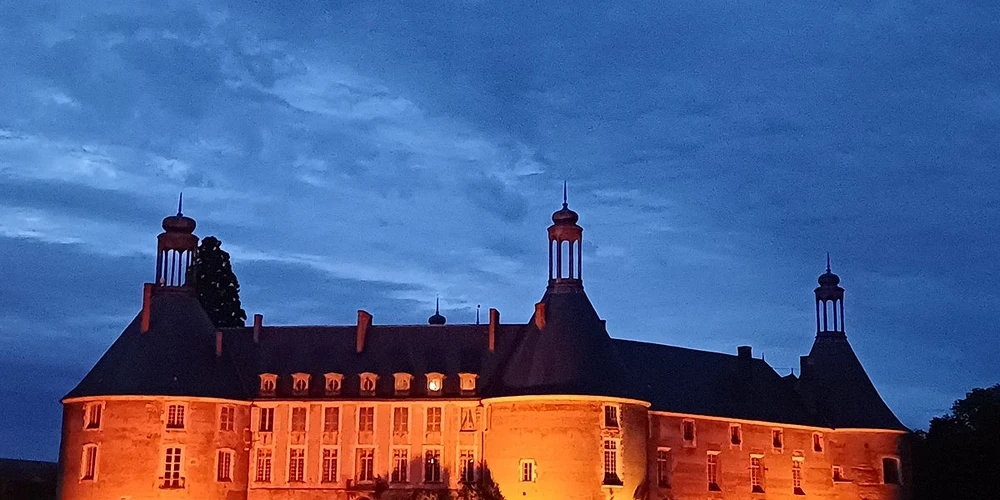
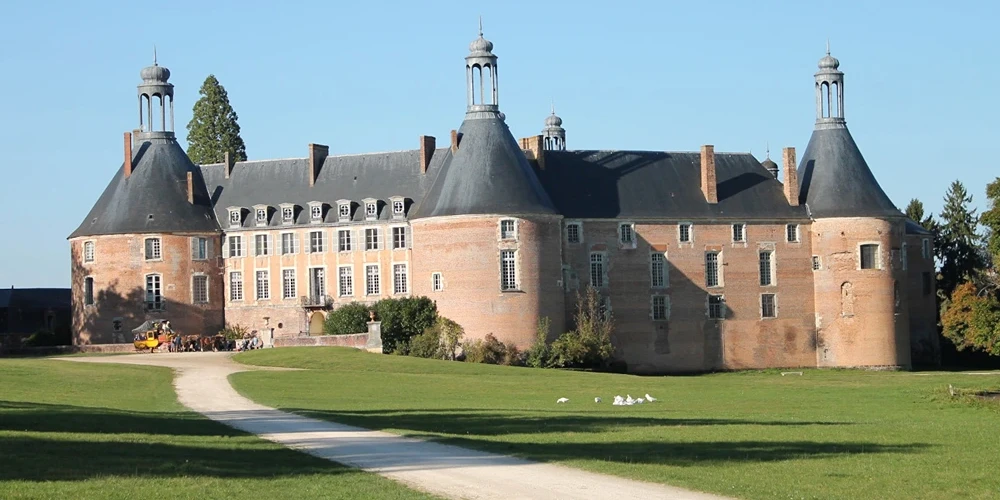
The argument for Saint-Fargeau over more famous landmarks boils down to authenticity. At Saint-Fargeau, you are standing on the grounds that once belonged to ‘La Grande Mademoiselle’ (Anne Marie Louise d’Orléans), who was exiled here by Louis XIV. There is a sense of grit and resilience in the pink-brick walls that you simply won’t find in the polished marble of more famous estates.
Furthermore, the lack of barriers is a revelation. In many historical sites, everything is behind glass or velvet ropes. At Saint-Fargeau, the history feels tactile. You can feel the weight of the centuries in the thickness of the walls and the creak of the floorboards. It is a sensory experience, not just a visual one.
Essential Items for Your Day Trip
- Comfortable Walking Shoes: You’ll be traversing cobblestones and massive staircases. Leave the heels in Paris.
- A Light Jacket: Even in summer, the thick stone walls of the castle keep the interior surprisingly cool.
- Camera with a Wide-Angle Lens: The courtyard is vast, and you’ll want to capture the scale of the five massive towers.
- A Basic Understanding of French History: Knowing who the Frondeurs were will make your visit significantly more rewarding.
- Room in Your Trunk: You are in Burgundy. You will inevitably want to bring back a few bottles of local wine or some regional honey.
The Final Verdict
A day trip to Saint-Fargeau from Paris is more than just a change of scenery; it is a change of pace. It is an argument for the value of the ‘undiscovered’ over the ‘famous.’ If you want to return to Paris with stories that don’t sound like everyone else’s, make the drive. The pink bricks of Burgundy are waiting to tell you a story that Versailles simply cannot articulate. Don’t be a tourist—be a traveler. Choose Saint-Fargeau.